Reconstruction After Water Damage: What You Need to Know
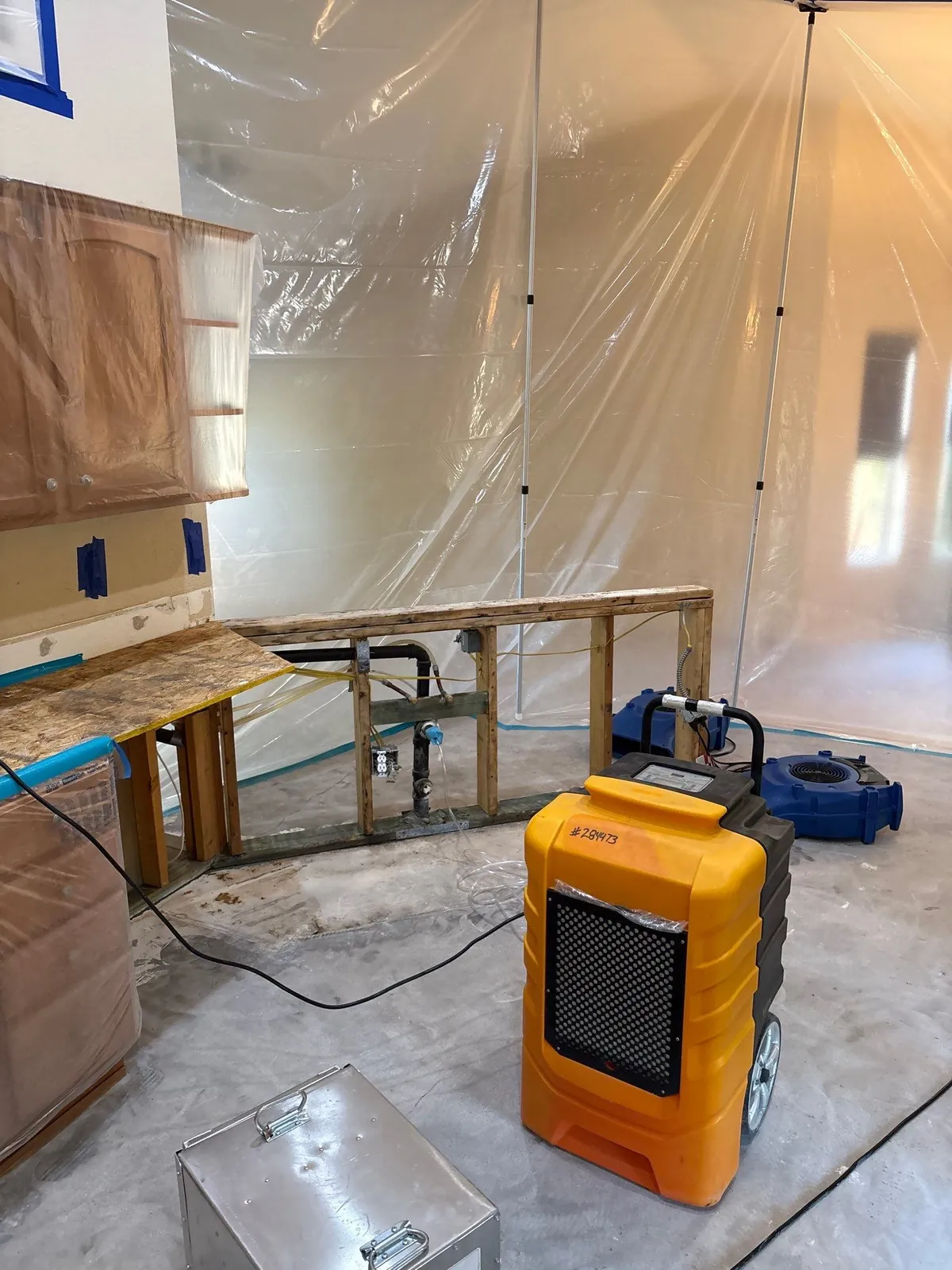
Water damage leaves your home in two distinct states, and the transition between them determines whether your repairs last or fail within months. The emergency phase focuses on stopping the flow and extracting standing water. Reconstruction after water damage is a different discipline. It calls for general contracting skills, not just drying equipment. This rebuild phase restores the finishes, structural integrity, and livability of your Goodyear home, but only after professional drying is verified complete.
Many homeowners believe that once the fans stop running, they can start replacing drywall or laying new floors. They can't, not yet. Reconstruction shouldn't commence until structural cavities reach equilibrium moisture content with the unaffected areas around them, and that's typically verified through multiple meter readings over consecutive days, not a single check. Rush that timeline and you trap residual moisture inside wall assemblies and subfloors, and that sets up mold growth and material failure long after the insurance claim closes.
Understanding the Shift From Mitigation to Reconstruction
Mitigation ends when moisture meters confirm that the affected building materials have returned to acceptable dryness standards, not when the visible water disappears. You need a contractor who treats reconstruction after water damage as something that begins with verification, not assumption. Installing finishes over damp framing guarantees future callbacks and health hazards. The shift from emergency response to rebuilding is a complete change in workflow: industrial air movers and dehumidifiers give way to framing lumber, joint compound, and finish carpentry tools.
This phase is about restoring your home's pre-loss condition, or improving on it through deliberate material upgrades. Emergency extraction teams are trained to save structures from immediate collapse. The rebuild team has to make those structures beautiful and functional again, and that takes a different kind of craftsmanship. Your home isn't truly restored until the final coat of paint dries and the baseboards go back in place.
Drywall Repair After Water Damage: Materials and Methods
Drywall acts like a sponge during flooding, wicking moisture upward far beyond the visible waterline and compromising the gypsum core underneath. Patching rarely works, because the contaminated sections harbor bacteria and mold spores that paint can't seal. Full replacement is the standard for safe drywall repair after water damage. In West Valley homes, monsoon-related roof leaks frequently saturate ceiling drywall and insulation, and that means removing the affected materials down to the framing before any cosmetic repair can start.
Identifying Hidden Moisture Behind Walls
Moisture hides in the gaps between studs and behind vapor barriers, where surface meters can't reach. Technicians use penetrating probes and thermal imaging to map how far the saturation actually spreads, so no damp pockets are left to feed microbial growth later. Removing drywall several inches above the highest suspected waterline gives the access needed to inspect and treat these hidden cavities properly.
Choosing Mold-Resistant Drywall for Rebuilds
Standard paper-faced drywall is an organic food source for mold. That's why many contractors now specify fiberglass-faced or paperless gypsum board for post-flood rebuilds. These materials resist moisture absorption and deny mold the cellulose it needs to colonize, which matters in Arizona homes exposed to seasonal storms year after year. Upgrading to mold-resistant board during reconstruction adds minimal cost while cutting the risk of the same problem coming back after the next leak.
Flooring Replacement After Water Damage
New flooring can't go down until the subfloor passes rigorous moisture testing that guards against adhesive failure, cupping, or delamination down the road. Subfloor moisture testing is mandatory before installing new flooring after a leak, because even small amounts of trapped vapor will ruin expensive finishes and void manufacturer warranties. Your investment in new tile or plank depends entirely on the dryness of the substrate underneath it.
Evaluating Subfloor Integrity Before Installation
Plywood and OSB subfloors often swell at the seams or delaminate after prolonged exposure, and that requires partial or full replacement before any finish material goes down. Sanding high spots isn't enough if the structural bond between layers has broken; the subfloor has to provide a stable, monolithic surface for the new installation. Checking fastener patterns and looking for soft spots confirms the foundation can carry decades of foot traffic without squeaking or shifting.
Selecting Water-Resilient Flooring Options
Tile remains the most water-resilient option for Arizona homes, though grout lines need proper sealing to keep future infiltration out. Luxury vinyl plank offers strong water resistance and mimics wood well, while engineered wood brings warmth but demands stricter humidity control to avoid warping in our desert climate. Each material responds differently to residual humidity. Your choice should balance what you want it to look like against how much tolerance you actually need for the occasional plumbing mishap or monsoon intrusion.
Rebuilding Cabinets and Trim Following a Leak
Cabinetry brings its own challenges during reconstruction, because composite materials react badly to water exposure. Particleboard and MDF cabinetry typically swell and lose structural integrity within hours of saturation, which is why replacement is necessary in most kitchen and bathroom flood scenarios. Solid wood cabinets may be salvageable if they're dried quickly and professionally, but veneered surfaces often peel or blister beyond repair.
Matching existing millwork in older Goodyear homes can be tough when the original profiles are discontinued or the wood species has changed color over decades. You might consider upgrading to modern, water-resistant cabinet boxes during the rebuild rather than spending excessive time and money chasing down obsolete components. Baseboards and door casings usually need full replacement, since they sit directly against wet floors and walls and absorb moisture through end grain and back surfaces.
Hiring a Water Damage Repair Contractor for the Rebuild
The gap between mitigation and reconstruction causes more problems than almost any other factor in post-damage recovery. Skinner & Son manages the full transition from emergency drying to finish carpentry under one contract. That eliminates the coordination gap between separate mitigation and remodeling crews. You avoid the frustrating limbo where the drying company leaves but the builder hasn't yet arrived to figure out what actually needs replacing.
Verifying Licensing and Local Experience
A qualified water damage repair contractor has to hold active Arizona ROC licensing for both residential remodeling and the specific trades your rebuild involves. Verify their license status online, and confirm they carry adequate liability insurance before you sign anything or let work begin. Local experience matters, because West Valley building codes, permit requirements, and common construction methods differ from other parts of the metro area.
Coordinating Insurance Scope with Construction Plans
Financial surprises tend to show up when the contractor's estimate includes line items the insurance adjuster excluded or priced differently. Aligning the rebuild scope with your policy coverage early heads off out-of-pocket expenses that could have been negotiated or documented as necessary code upgrades. Your contractor should talk directly with your adjuster, so the approved scope reflects actual construction costs and current material prices in Goodyear.
Permits and Code Compliance in Goodyear and the West Valley
Building permits are required whenever reconstruction involves structural changes, electrical rewiring, plumbing alterations, or changes to egress windows and doors. Simple cosmetic repairs, like painting or replacing identical flooring, typically don't trigger permitting, but anything touching safety systems or load-bearing elements needs official approval. Unpermitted work creates real liability during future home sales, and it can complicate insurance claims if later damage relates to unapproved modifications.
Maricopa County and City of Goodyear inspectors verify that rebuilt sections meet current code, which may exceed the standards used when your home was originally built. Electrical panels, GFCI protection, and plumbing venting often need updates during reconstruction to meet modern safety requirements. Budgeting for these mandatory upgrades upfront keeps you from costly rework orders mid-project and keeps your home insurable and marketable.
Planning Your Home Rebuild After Flood Events
A home rebuild after flood events is a rare chance to improve resilience rather than just replicate what was lost. Consider relocating electrical outlets higher on walls, installing water-sensing shutoff valves, or choosing non-porous materials in vulnerable areas to cut future risk. Modern building products perform better against moisture than their predecessors did, which makes this the moment to go beyond pre-loss conditions rather than just back to them.
Layout improvements can also boost functionality while fixing the weaknesses that contributed to the original damage. Moving appliances away from known leak sources, widening hallways for better airflow, or adding secondary drainage points turns a disaster into a deliberate improvement project. This approach puts your insurance payout toward long-term value instead of a temporary fix.
Reconstruction after water damage takes patience, precision, and a contractor who treats your home as a place where people live, not a job site to process. Request a consultation to assess your specific situation and align your rebuild plans with both insurance coverage and local building standards.
